
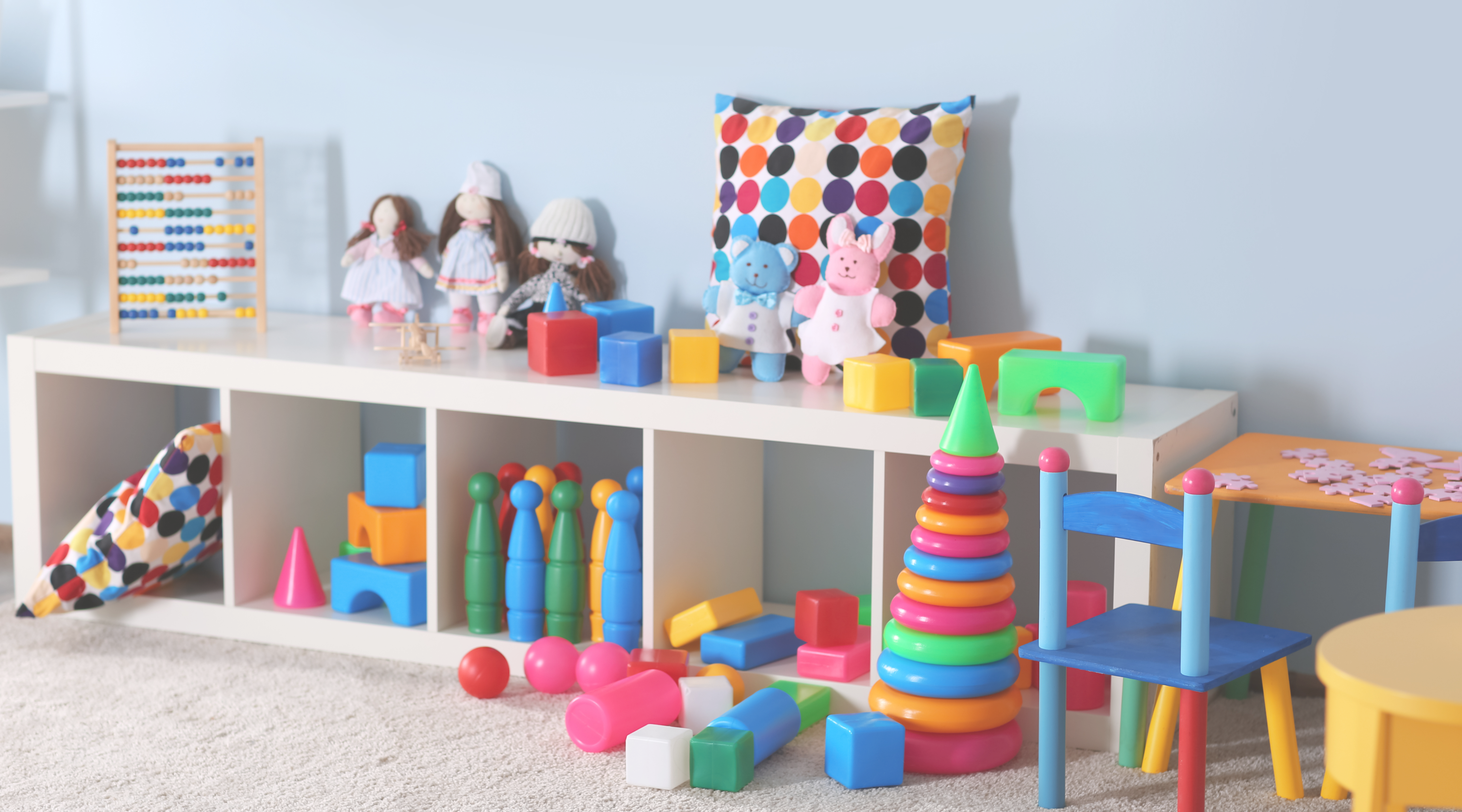
Kids’ toys are not just fun and entertaining, they also play a crucial role in a child’s development. From building cognitive skills to sparking imagination, toys are an essential part of childhood. However, it’s important to remember that toys can also harbor germs and bacteria, putting children at risk of infections and illnesses. That’s why it is imperative to regularly clean and sanitize kids’ toys to ensure a safe and healthy play environment. In this article, we will provide you with tips on how to clean and sanitize kids’ toys that you can easily do at home!
Why is it important to clean and sanitize kids’ toys regularly?
To fully understand the importance of cleaning and sanitizing kids’ toys, it is crucial to recognize the potential risks associated with dirty toys. Children often put toys in their mouths or touch them with their hands, which can result in the transfer of germs and bacteria. Moreover, toys can accumulate dirt, dust, and allergens over time, potentially triggering respiratory issues or allergies in children. Regularly cleaning and sanitizing toys not only helps protect your child’s health but also prolongs the lifespan of the toys, allowing them to be enjoyed for a longer period.
Essential tools and supplies for cleaning and sanitizing toys
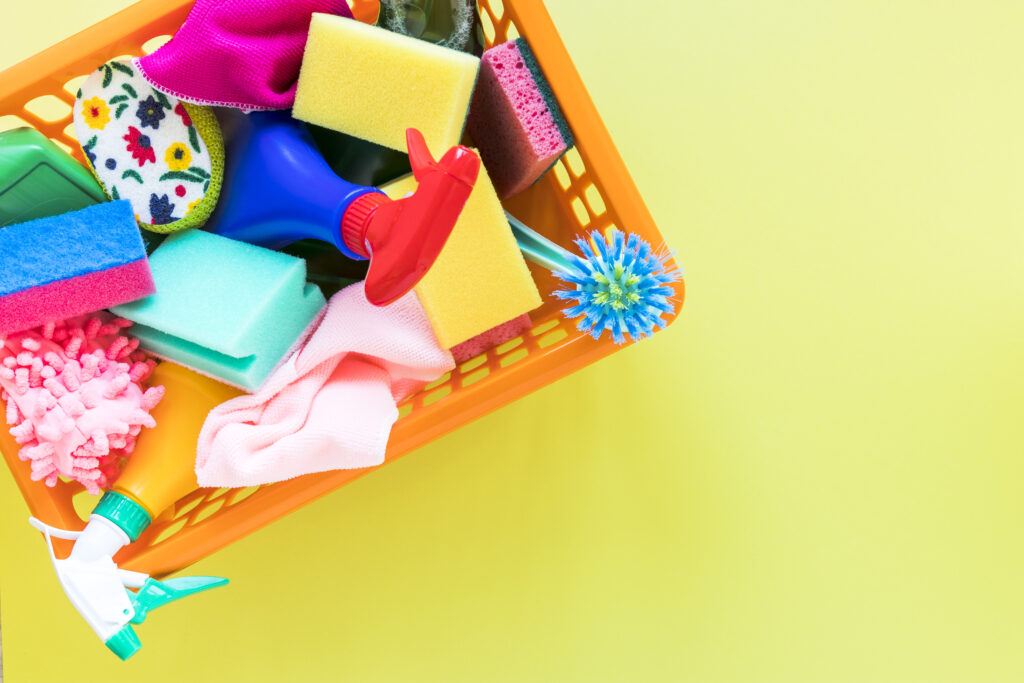
Before diving into the various methods to clean and sanitize kids’ toys, it’s important to gather the necessary tools and supplies. Firstly, choose cleaning agents that are safe for use on kids’ toys. Look for mild dish soaps, baby-safe detergents, or specifically formulated toy cleaners. It is crucial to avoid harsh chemicals that may leave a residue or pose a health risk to your child. Additionally, soft cloths, brushes, and sponges are essential for thorough cleaning, especially for toys with intricate designs or hard-to-reach areas. Lastly, have disinfectants and sanitizers on hand to effectively eliminate any remaining germs or bacteria.
Step-by-step guide to cleaning and sanitizing kids’ toys
A. Sorting and organizing toys
Before starting the cleaning process, it’s helpful to sort and organize the toys. This step allows you to identify which toys require immediate attention and helps streamline the cleaning process. Separate the toys based on material (soft toys, plastic toys, etc.) as well as the level of dirtiness. This will help determine the appropriate cleaning method for each group.
B. Cleaning soft toys
Soft toys are prone to accumulating dust and dirt, making them a breeding ground for germs. To clean them, check the care label first. If machine washing is permitted, place the toys in a pillowcase or laundry bag and wash on a gentle cycle using mild detergent. For handwashing, fill a basin with warm water and a small amount of baby-safe detergent. Gently scrub the toy using a soft cloth or brush, paying extra attention to stains and odors.
C. Cleaning plastic toys
Plastic toys are relatively easy to clean, and most can withstand gentle cleaning methods. Start by using a mild soap and water solution. Dip a soft cloth or sponge into the solution and wipe down the toys, focusing on any dirty or sticky areas. Rinse the toys thoroughly with clean water and dry them with a towel.
D. Sanitizing toys
After cleaning, it’s important to sanitize the toys to eliminate any remaining germs and bacteria. There are several methods you can use. Disinfectant wipes are a convenient option for quick sanitization. Simply wipe down the toys, ensuring all surfaces are covered. Alternatively, you can create a homemade bleach solution by combining one tablespoon of bleach with one gallon of water. Soak the toys in the solution for five minutes, then rinse them thoroughly with clean water and allow them to air dry.
E. Drying and storing toys
Proper drying is essential to prevent mold growth on toys. Ensure all toys are thoroughly dry before storing them. If machine washing soft toys, squeeze out excess water and place them in a dryer on a low heat setting or air dry them flat. For plastic toys, use a towel to remove any excess moisture and let them air dry completely. When storing toys, make sure they are placed in a clean and organized manner to prevent dust and dirt from accumulating.
Frequently asked questions about cleaning and sanitizing kids’ toys
1. Is it necessary to clean new toys before giving them to children?
While new toys may appear clean, it is still recommended to clean them before giving them to children. New toys often come into contact with various hands and surfaces during the manufacturing and packaging process, making them susceptible to germs and bacteria.
2. How often should toys be cleaned and sanitized?
Toys should ideally be cleaned and sanitized on a regular basis, especially if they are frequently played with or have been exposed to illness. Aim to clean soft toys every two to three weeks and plastic toys at least once a month. However, always use your judgment and adjust the frequency based on the specific toys and their usage.
3. Can all types of toys be washed the same way?
No, different toys require different cleaning methods. Always refer to the care instructions on the toy or its packaging. Soft toys may have specific washing instructions, while electronic or battery-operated toys may need to be spot cleaned instead of fully submerged in water.
Conclusion
Regularly cleaning and sanitizing kids’ toys is essential for maintaining a safe and healthy play environment. By following these genius hacks and utilizing simple DIY methods, you can ensure that your child’s toys are clean and germ-free. Remember to sort and organize toys, clean soft toys using appropriate methods, use mild soap and water for plastic toys, sanitize toys effectively, and properly dry and store them. Implement these tips to protect your child’s health and prolong the lifespan of their beloved toys. For more cleaning tips and professional services, visit our website and discover how we can help you maintain a clean and sanitized home for your little ones.

